
Table of Contents
- Why Bathroom Fixtures Are Vulnerable During Shipping
- Prepare Before Delivery Arrives
- Bathroom Vanity Shipping Inspection Checklist
- What to Do If Bathroom Vanity Arrives Damaged
- Shipping Insurance for Bathroom Fixtures
- Carrier-Specific Claim Protocols
- Proper Storage Until Installation
- Conclusion
- Frequently Asked Questions
Last Updated: September 4, 2026
Unboxing a damaged vanity or tub can derail a renovation. Ceramic, glass, and stone fixtures require careful handling, and most damage stems from missed inspection opportunities. This guide from Kings Bathroom & Kitchen outlines the delivery-day protocol to protect your investment from the moment the truck arrives through final installation.
Avoiding damage is largely a matter of preparation and following the correct steps. Carriers and retailers have clear policies for damage claims, but they only work if you know your rights and follow protocol. This guide includes an inspection checklist and claim procedures.
Why Bathroom Fixtures Are Vulnerable During Shipping
Bathroom fixtures are vulnerable during transit due to their brittle materials. Ceramic, stone, and glass can fracture from drops, shifts, or temperature changes, a single impact can compromise an entire fixture.
Corners and edges are the most common failure points. Marble vanities may hide hairline cracks, porcelain sinks crack when stacked under weight, and freight delivery introduces additional risks from multiple transfers and weather exposure.
Quality packaging includes double-walled cardboard, corner protectors, and fitted foam. If these show crushing or moisture damage, the fixture inside deserves careful inspection.
Prepare Before Delivery Arrives
Preparation starts days before delivery. Review shipping details (carrier, window, signature requirement), clear your schedule, and ensure someone is present for the entire appointment.
Prepare your delivery space: clear a path to a dry area, and have a flashlight, utility knife, and camera ready. Have a tarp on hand if rain is likely.
If using a contractor, coordinate in advance so they can inspect the fixture before acceptance and avoid disputes about when damage was noticed.
Bathroom Vanity Shipping Inspection Checklist
The delivery moment is critical. Use the checklist below and do not sign until inspection is complete, a signed receipt signals acceptance in good condition, complicating later claims.
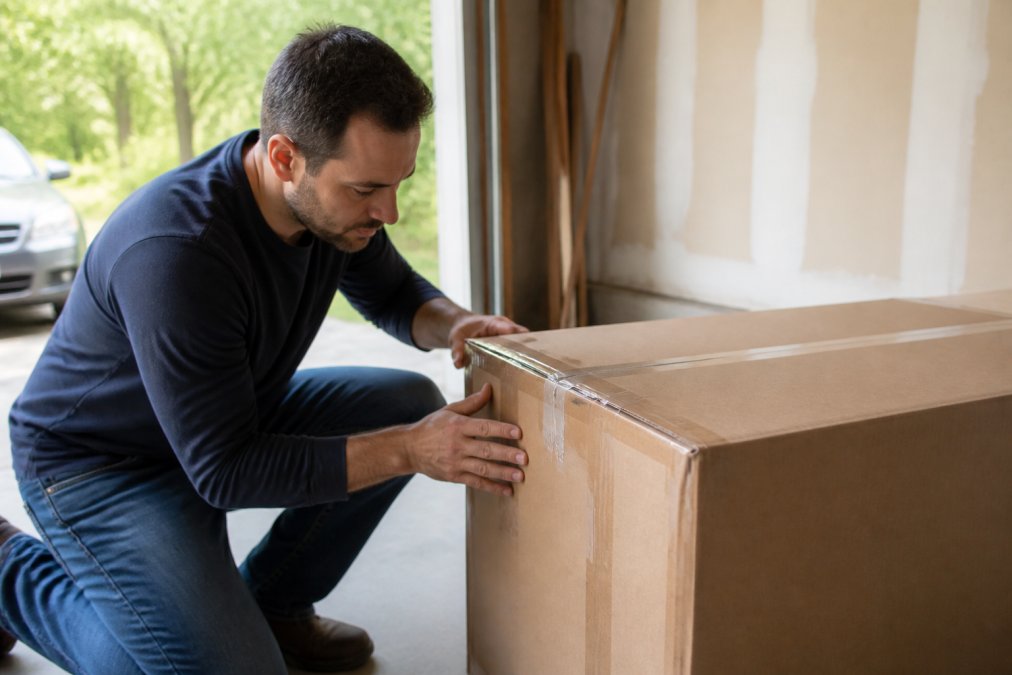
Before the Driver Leaves (5-10 minutes)
Exterior Box Inspection:
- Examine all four sides of the box for punctures, crushed corners, or dents
- Check the bottom edges and corners, these absorb the most impact during handling
- Look for water stains, wet cardboard, or signs of moisture exposure
- Verify the shipping label is legible and matches your order number
- Take photos of the box exterior from multiple angles if any damage is visible
Packaging Integrity Check:
- Confirm the box is sealed with tape on all seams (no gaps or openings)
- If the shipment is palletized, inspect the plastic wrap for tears or punctures
- Note any evidence that the box has been opened and resealed
Critical Decision Point: If the box shows visible damage, refuse delivery. Write "REFUSED, VISIBLE PACKAGING DAMAGE" on the receipt, photograph it, and ask the driver to return the shipment. Do not accept a damaged box.
After the Driver Departs (15-30 minutes)
Unboxing and Fixture Inspection:
- Cut open the box carefully, away from the fixture
- Remove foam and protectors slowly; lift with a second person (do not drag)
- Place on a clean, flat surface under good lighting
Surface and Edge Examination:
- Run your hand along all edges and corners for chips or rough spots
- Inspect top surfaces for hairline cracks, especially at mitred edges
- Check back and underside for damage
- Look for discoloration or finish compromise
- For stone tops, examine seams and edges for separation
- For sinks, run water briefly to confirm no leaks
Photographic Documentation:
- Photograph the opened box with packaging materials visible
- Take close-up photos of any damage found, with a ruler or coin in the frame for scale
- Photograph the shipping label and tracking number clearly
- If no damage is found, take a photo of the intact fixture from multiple angles (this protects you if a claim is disputed later)
- Store all photos in a dedicated folder on your phone or computer with the order number in the folder name
Timing and Liability Notes
Most retailers require damage claims within 48 to 72 hours of delivery. Inspect on arrival day or the next morning; discovering damage after this window may result in a denied claim.
Keep all original packaging until your claim is resolved. Carriers often require the damaged item and packaging for inspection before approving replacement.
What to Do If Bathroom Vanity Arrives Damaged
How you respond to damage determines whether you get a quick replacement or a lengthy dispute. Follow carrier and retailer procedures exactly; impulsive actions like discarding packaging or DIY repairs can void your claim.
Refuse Delivery for Visible Packaging Damage
Refuse delivery for obvious external damage. This sends the shipment back to the retailer, who files the carrier claim on your behalf, shifting the burden of proof away from you.
File a Damage Claim Immediately
For concealed damage discovered after unpacking, file a claim within 48 to 72 hours. Contact the retailer with your order number, photos, and damage description. Most retailers will arrange a replacement or refund.
Shipping Insurance for Bathroom Fixtures
Many buyers skip shipping insurance, assuming carrier liability covers their purchase. Standard liability is often limited and may not reflect the full value of premium fixtures. Review shipping terms before ordering.
The bill of lading outlines liability limits. Retain your invoice and order confirmation to prove value in claims. Some retailers include insurance; others offer it as an add-on. For expensive fixtures, additional coverage ensures full compensation.
Some policies cover visible damage only; others extend to concealed damage within a claim window. Ask the retailer about coverage details before purchase.
Carrier-Specific Claim Protocols
Each carrier has different claim protocols. Parcel and freight carriers differ significantly, and missing deadlines or steps can result in denied claims. Before delivery, identify your carrier and review their damage claim procedure.
Parcel Carriers (Small to Medium Fixtures)
Claim Window: Most parcel carriers require claims within 48-72 hours. Check your tracking page for the exact deadline.
Documentation Required:
- Photos of the damaged item from multiple angles
- Photos of the shipping box showing any exterior damage
- The original shipping label and tracking number
- Your order confirmation or invoice showing the item's value
- A brief description of the damage (e.g., "cracked edge," "chipped corner")
Claim Process:
- Contact the retailer's customer service first (faster and more likely to result in replacement).
- If no response within 24 hours, file directly through the carrier's portal using your tracking number.
- Upload photos and documentation; be specific about damage location and impact.
- Expect a response within 5-10 business days.
Liability Limits: Parcel carriers typically cap liability at $100 per package unless you purchased additional insurance. For fixtures over $100, verify whether the retailer included or offered insurance.
Freight Carriers (Large Fixtures)
Freight carriers handling palletized shipments, large tubs, or stone vanities operate under different rules and allow more time for claims, but demand more extensive documentation.
Claim Window: Freight carriers allow 30 days to file, but you must note visible damage on the bill of lading at delivery; failure to do so can deny a claim.
Documentation Required:
- Photos of the pallet and its condition at delivery (before you move it)
- Photos of the plastic wrap or strapping showing any tears or punctures
- Photos of the damaged item from multiple angles
- The bill of lading (signed by you and the driver)
- Your order confirmation and invoice
- A written description of the damage and when it was discovered
- If concealed damage is found after unpacking, note the date and time you discovered it
Claim Process:
- If visible damage is apparent, ask the driver to note it on the bill of lading before signing. Photograph the signed document.
- Contact the retailer or carrier within 24 hours to initiate a claim.
- Submit photos and documentation through the carrier's portal or email. Describe damage location, size, and impact on functionality.
- Do not discard the item or packaging until the claim is resolved.
- Expect a response within 10-15 business days.
Liability Limits: Freight carriers' liability is typically $0.50 per pound. Purchase additional insurance for high-value items.
Curbside Drop-Off vs. Liftgate Delivery
The delivery method affects who is liable for damage that occurs during unloading.
Curbside Drop-Off: You are responsible for moving the pallet inside. Inspect thoroughly before the driver leaves, photograph the condition, and note any damage on the bill of lading.
Liftgate Delivery: The driver uses a hydraulic lift to lower the pallet. The carrier remains liable for damage during this process. This costs more but reduces your risk for expensive fixtures.
Before Delivery Day: Know Your Carrier
Ask the retailer which carrier will handle your shipment, then review that carrier's damage claim policy online. Note the claim window, required documentation, and submission method to prevent delays.
Proper Storage Until Installation
Once your fixture passes inspection, proper storage protects it from damage that occurs between delivery and installation. Many renovations experience delays, and a fixture can sit in a garage for weeks before a contractor installs it. During that time, temperature swings, humidity, and accidental impacts pose real risks.
Store the fixture in its original packaging, upright, in a dry, climate-controlled space. Avoid stacking items on top or placing it in high-traffic areas. Keep protective foam and protectors in place until installation.
Consider installation timing when scheduling delivery. Ask the retailer about holding shipments or scheduling delivery closer to installation to reduce storage risks.
Conclusion
Avoiding damage comes down to three habits: preparing before delivery, inspecting methodically, and acting quickly if something is wrong. Following the checklist and documenting every step protects your purchase and simplifies claims.
A damaged fixture is an inconvenience, not a dead end. With the right preparation, you can keep your renovation on schedule and your fixtures in pristine condition. Explore the selection of vanities, tubs, and shower systems at Kings Bathroom & Kitchen, where secure checkout and free delivery are part of the experience, and get started on a renovation that arrives exactly as promised.
Frequently Asked Questions
What should I look for when inspecting a bathroom vanity delivery?
Start by examining the outer packaging for dents, tears, or water damage before accepting delivery. Check for protective foam and corner protectors inside the box. Inspect the vanity itself for cracks, chips, or scratches on the surface and edges. Open all drawers and cabinet doors to ensure they operate smoothly. Take photos of any damage immediately and compare the item against your original order to confirm you received the correct model and finish.
Can I refuse a delivery if the packaging looks damaged?
Yes, you can refuse delivery if the shipping container shows visible signs of damage such as crushed corners, punctures, or water stains. Refusing at the point of delivery protects your claim window and prevents liability disputes. Politely inform the driver that you cannot accept the shipment due to packaging integrity concerns. Request that the carrier note the refusal on the delivery receipt and photograph the damaged packaging before the driver leaves. This documentation is essential for filing a claim with the carrier.
What is the typical claim window for damaged bathroom fixtures?
Most parcel carriers allow a specific period from delivery to file a damage claim, though some may extend it depending on their terms. Concealed damage claims (damage discovered after opening) typically have a shorter window. Check your bill of lading and carrier documentation for exact timelines. File your claim as soon as damage is discovered to avoid missing the deadline. Keep all packaging materials and photographic evidence until the claim is resolved.
Who is responsible for damaged goods during shipping?
Liability depends on your purchase agreement and shipping insurance. If you purchased shipping insurance, the insurer typically covers transit damage. If not, the carrier may be liable for damage caused by their handling, though they have limits on claims. Your retailer may also offer protection under their return or damage policy. Review your order documentation and insurance policy to understand who covers what. Contact Kings Bathroom & Kitchen immediately if damage occurs so they can guide you through the appropriate claim process.
This article was written using GrandRanker